Ben Hansen · 27 September 2026
Tracing Stagecraft Lineages from 19th Century Vaudeville to Streaming Adaptations and Actor-Narrated Productions
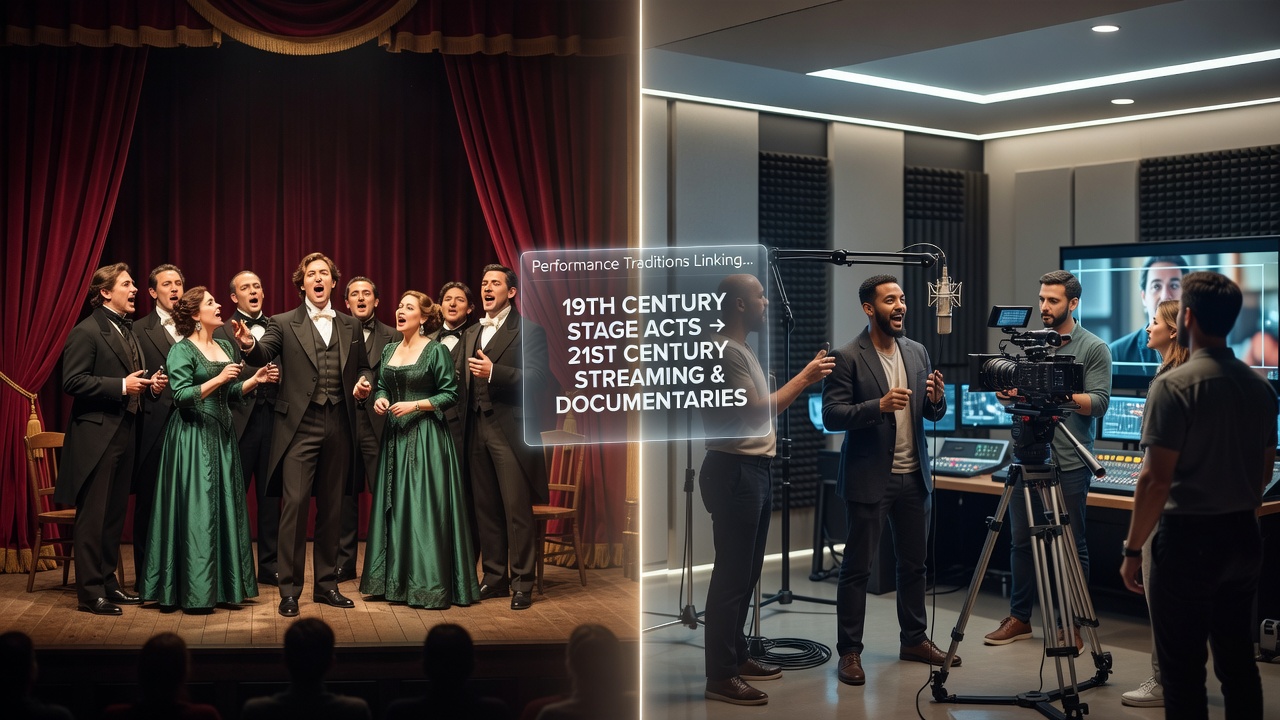
Performance traditions originating in 19th century American and European stage acts established physical comedy techniques, timing structures, and audience interaction methods that continue to shape content creation across digital platforms. Vaudeville circuits featured rapid scene changes, exaggerated gestures, and ensemble routines that later informed early film practices, and those same elements appear in contemporary streaming series where creators adapt live pacing for episodic formats.
Data from cultural preservation archives show that acts involving acrobatic falls, sight gags, and direct address to spectators provided foundational blueprints still visible in modern sketch comedy and serialized narratives. Researchers at institutions across North America and Europe have documented how these methods migrated from theater stages to early cinema, then resurfaced in television variety programs before reaching current on-demand services.
Core Elements Carried Forward Through Technological Shifts
Physical timing remains central because performers developed precise control over movement sequences that translate across media without requiring dialogue. One study conducted by scholars at a Canadian university examined surviving prompt books and found consistent use of pause lengths and spatial arrangements that streaming directors now replicate through editing choices and camera placement. Meanwhile European theater historians have traced similar patterns in British music hall traditions that influenced transatlantic productions.
Ensemble dynamics also persist, as vaudeville troupes relied on synchronized group work that streaming ensembles echo in multi-camera setups and collaborative writing rooms. Figures from industry reports indicate that productions drawing explicitly on these historical models maintain higher retention rates during binge-viewing sessions, although causation requires further examination through longitudinal audience data.
Actor-Led Documentaries as Contemporary Documentation Tools
Actors who research and narrate their own projects have produced documentaries that highlight direct connections between 19th century stage methods and present-day adaptations. These works often incorporate archival footage alongside new performances, allowing viewers to observe technique transmission across generations. In September 2026 several such projects are scheduled for release on major platforms, coinciding with renewed interest in physical performance archives.
Production teams frequently consult original vaudeville records to reconstruct sequences, and the resulting films demonstrate how performers adjust historical movements for current camera technologies. According to records maintained by national arts agencies in Australia and the United States, funding allocations for these hybrid documentary formats have increased steadily over the past decade as platforms seek distinctive content that blends education with entertainment.
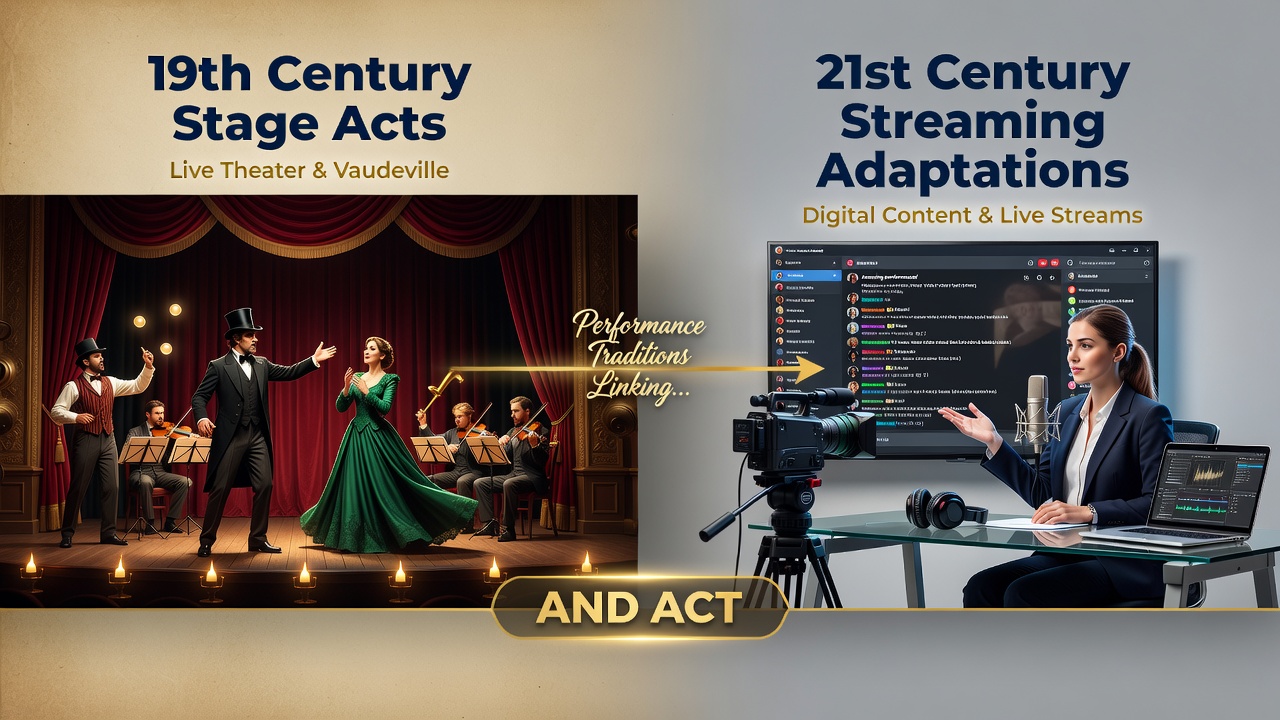
Case examples include series that restage classic routines within updated story frameworks, preserving the original structure while updating visual references for contemporary audiences. Those who've examined production notes note that directors prioritize maintaining the integrity of physical beats even when dialogue or settings change.
Streaming Platforms and Adaptation Strategies
Streaming services employ recommendation algorithms that surface content featuring recognizable performance styles, thereby extending the reach of historical techniques. Industry analyses from research centers in the European Union reveal that titles incorporating clear lineage from stage traditions often achieve broader international distribution because physical comedy crosses language barriers more readily than dialogue-heavy material.
Adaptation teams sometimes partner with academic consultants to verify historical accuracy during pre-production, and these collaborations have produced publicly available resources that detail specific movement vocabularies. One such partnership yielded an open-access database hosted by a university library that catalogs gesture patterns from multiple eras for use by creators.
Yet challenges remain when translating live audience feedback mechanisms into recorded formats, since vaudeville relied on immediate responses that streaming analytics capture only after release. Observers note that post-release data reviews now guide revisions in subsequent seasons, creating an iterative process similar to how touring acts refined material across venues.
Conclusion
The documented pathways from 19th century stages through 20th century film and television into 21st century streaming and documentary work demonstrate consistent transmission of performance fundamentals. Continued examination of these links through archival research and production records provides measurable evidence of how foundational practices adapt rather than disappear under new technologies. Resources from varied national institutions support ongoing study in this area without requiring direct performance recreation in every instance.