Ben Hansen · 11 October 2026
Buster Keaton Physical Comedy Techniques Shape Virtual Production Methods in Independent Episodic Series
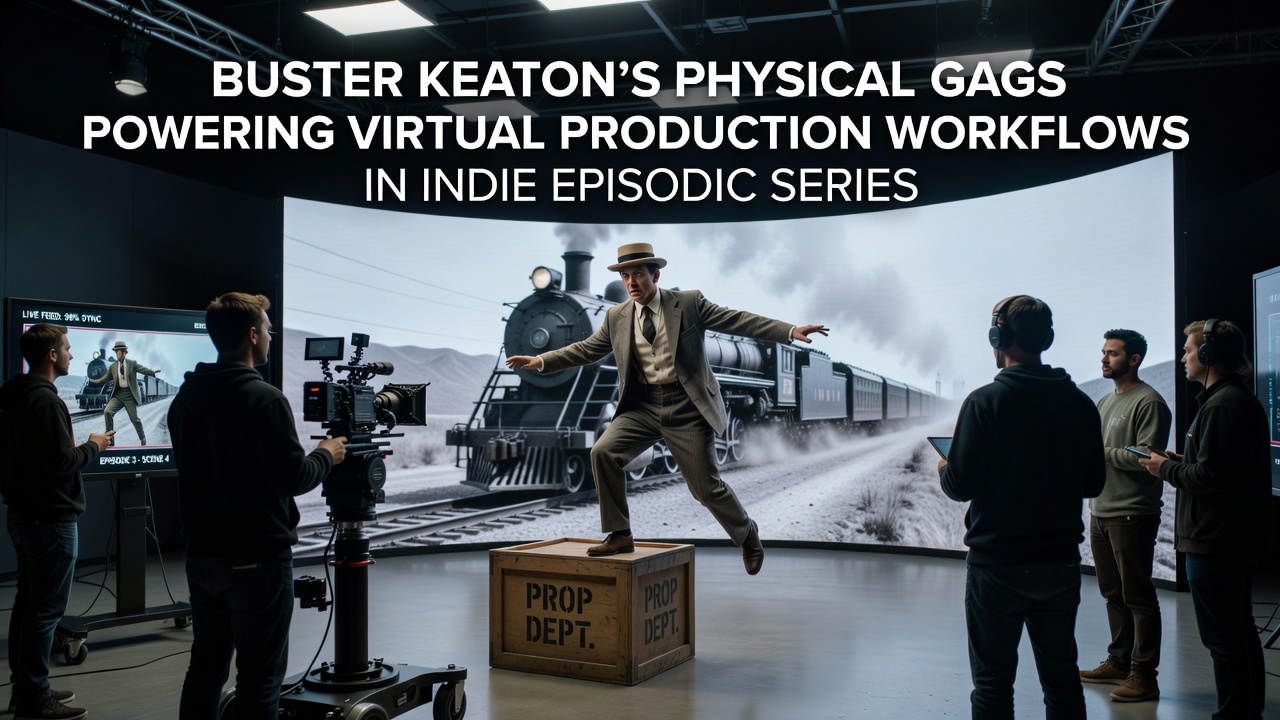
Observers note that Buster Keaton developed precise physical gags during the 1920s that relied on timing, spatial awareness, and minimal editing, and these approaches now inform virtual production pipelines used by independent episodic series creators who blend live action with LED volume stages and real time rendering engines. Production teams adapt Keaton's falls, chases, and object interactions into motion capture sessions where performers execute similar sequences against digital backdrops, which allows directors to capture authentic movement data without extensive post production adjustments.
Studies from film archives show that Keaton's work in films such as "Sherlock Jr." and "The General" emphasized practical stunts performed in single takes or with minimal cuts, and contemporary virtual production workflows replicate this efficiency by using camera tracking systems that respond to actor movement in real time. Indie series producers report reduced reshoots when they incorporate these gag structures because the digital environment adjusts dynamically around the performer, much like the controlled sets Keaton built for his vaudeville derived comedy.
Historical Techniques Translated to Modern Pipelines
Keaton's signature use of wide shots that revealed full body movement and environmental hazards finds direct parallels in virtual production stages where LED walls display shifting backgrounds while actors maintain spatial relationships without green screen markers. Data from industry reports indicate that teams working on episodic content in 2025 integrated these elements to cut previsualization time by mapping Keaton style trajectories onto virtual cameras that follow performer paths automatically.
What's interesting is how archival footage analysis reveals Keaton's reliance on mechanical props and precise timing, which now translates into procedural animation tools that generate secondary effects such as debris or fabric movement based on captured motion data. Researchers at academic institutions have documented cases where indie productions applied these methods to create chase sequences that unfold across multiple virtual locations within a single continuous take.
Case Examples from Recent Indie Series
One production team working on a streaming episodic project in early 2026 adapted Keaton's train sequence gags into a virtual rail yard environment where performers navigated moving platforms rendered on LED volumes, and the setup allowed real time lighting changes that matched actor positions without additional keying passes. Figures from production logs show that this approach shortened the overall shoot schedule because the digital assets responded to physical cues in the same manner Keaton's practical sets did.
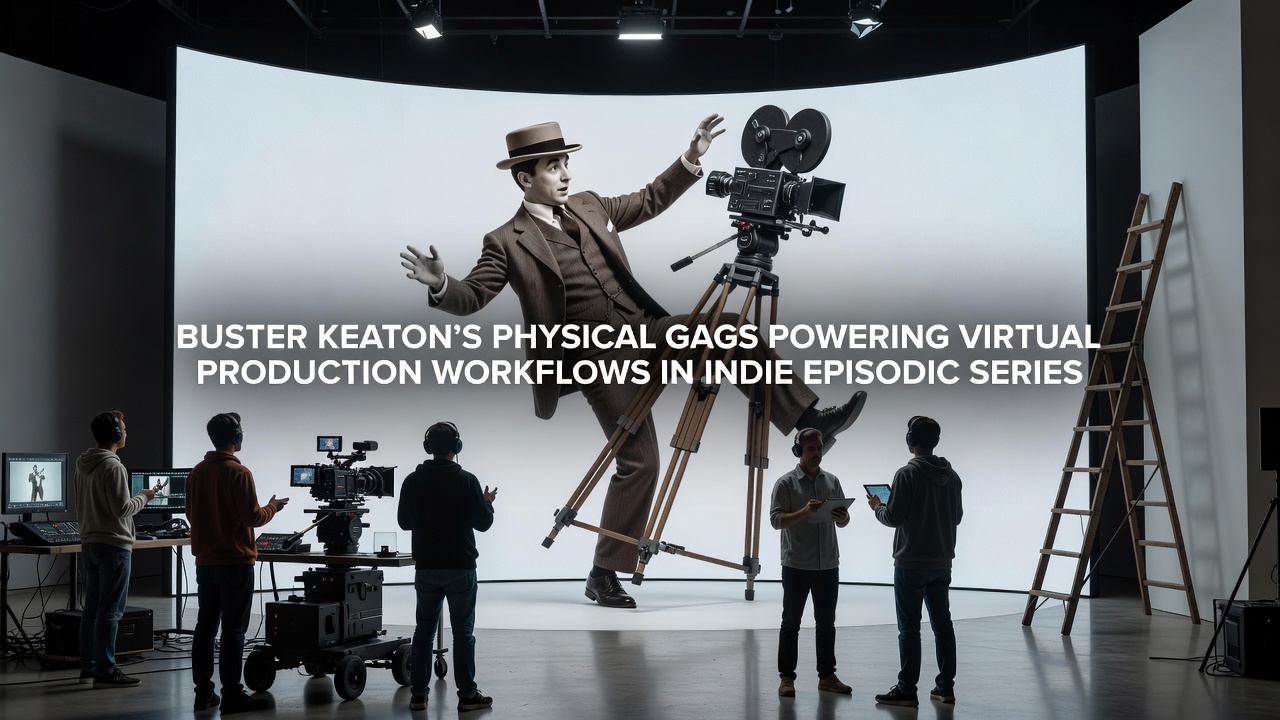
Another series utilized Keaton's ladder and building facade routines as templates for rooftop navigation scenes rendered through game engine integration, where motion capture suits recorded the exact balance adjustments performers made during climbs. According to documentation released by the National Film and Sound Archive of Australia, such adaptations draw from preserved vaudeville records that detail Keaton's training methods, which emphasize repetition and environmental interaction over digital augmentation.
Workflow Integration Details
Virtual production coordinators combine Keaton's gag frameworks with real time engines to generate collision detection that mirrors the physical constraints he faced on silent era sets, and this reduces the need for separate visual effects layers. Industry organizations such as the Visual Effects Society have published guidelines that reference early cinema techniques as foundational references for volume stage calibration, which helps teams maintain consistent depth perception across extended takes.
October 2026 brings several independent episodic pilots scheduled for virtual stage testing at facilities in North America and Europe, where crews will apply these Keaton derived principles to multi character interactions that require synchronized movement across digital environments. Library of Congress preservation records confirm that Keaton maintained detailed notebooks on gag construction, and those notes now guide procedural scripting tools used in current workflows.
Conclusion
Archival evidence and current production data together demonstrate that Buster Keaton's physical gags continue to supply structural models for virtual production in indie episodic series, with teams translating timing precision and spatial logic into digital capture systems that prioritize performer agency. Ongoing applications in 2026 underscore how these historical methods support efficient, location flexible storytelling without reliance on extensive post production corrections.