Ben Hansen · 13 September 2026
Archival Finds on Buster Keaton's Vaudeville Beginnings Inspire Contemporary Productions of Vintage Stage Acts
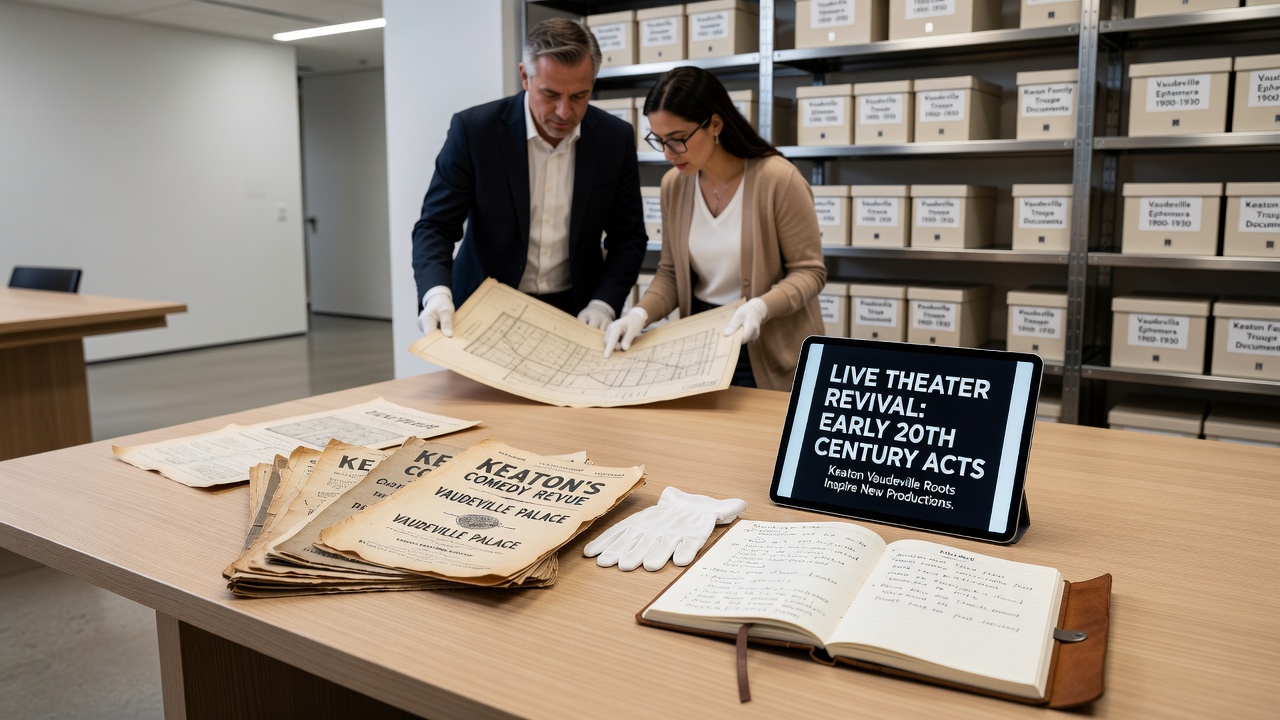
Recent discoveries in theater archives across the United States have uncovered scripts, photographs, and performance notes tied to Buster Keaton's early career in vaudeville, and these materials connect directly to his family's act known as The Three Keatons that toured extensively from the late 1890s onward. Historians at institutions such as the Library of Congress have cataloged items that detail the physical comedy routines and stage setups Keaton learned as a child performer, while similar collections in Canadian repositories reveal how vaudeville circuits operated across North America during that era.
Those who study performing arts history observe that the newly available documents include handwritten notes on timing and audience interaction, elements that shaped Keaton's later film work yet remained largely undocumented until recent digitization efforts. Data from the National Archives of Australia further shows parallel vaudeville tours in the southern hemisphere that shared acts and techniques with American troupes, creating a broader network of influences that extended into the 1920s.
Connections Between Keaton's Roots and Early 20th Century Theater Practices
Researchers examining the materials note that Keaton's parents, Joe and Myra Keaton, developed a knockabout comedy style that relied on precise physical timing and minimal props, a method documented in surviving contracts from the Orpheum Circuit and other booking agencies. These records indicate that young Buster joined the act around age three and performed regularly until the family's split in the mid-1910s, after which he transitioned into silent films while carrying forward the same emphasis on visual gags over dialogue.
Evidence from university theater studies at institutions in the United Kingdom demonstrates how similar vaudeville techniques appeared in British music halls, where performers adapted American routines for local audiences and audiences responded with comparable enthusiasm. The cross-pollination becomes clear when one compares the archived playbills from both regions, which list shared performers and identical comedy bits performed on different continents within the same decade.
Revival Productions Drawing From the Discovered Materials
Theater companies in several cities have begun staging live revivals that incorporate the routines and staging notes now accessible through public archives, and these productions often feature period-accurate costumes alongside modern safety modifications for the acrobatic elements. One example involves a Midwestern ensemble that reconstructed a Three Keatons-style set piece for its 2025 season, drawing directly from the script fragments released by the Library of Congress earlier that year.
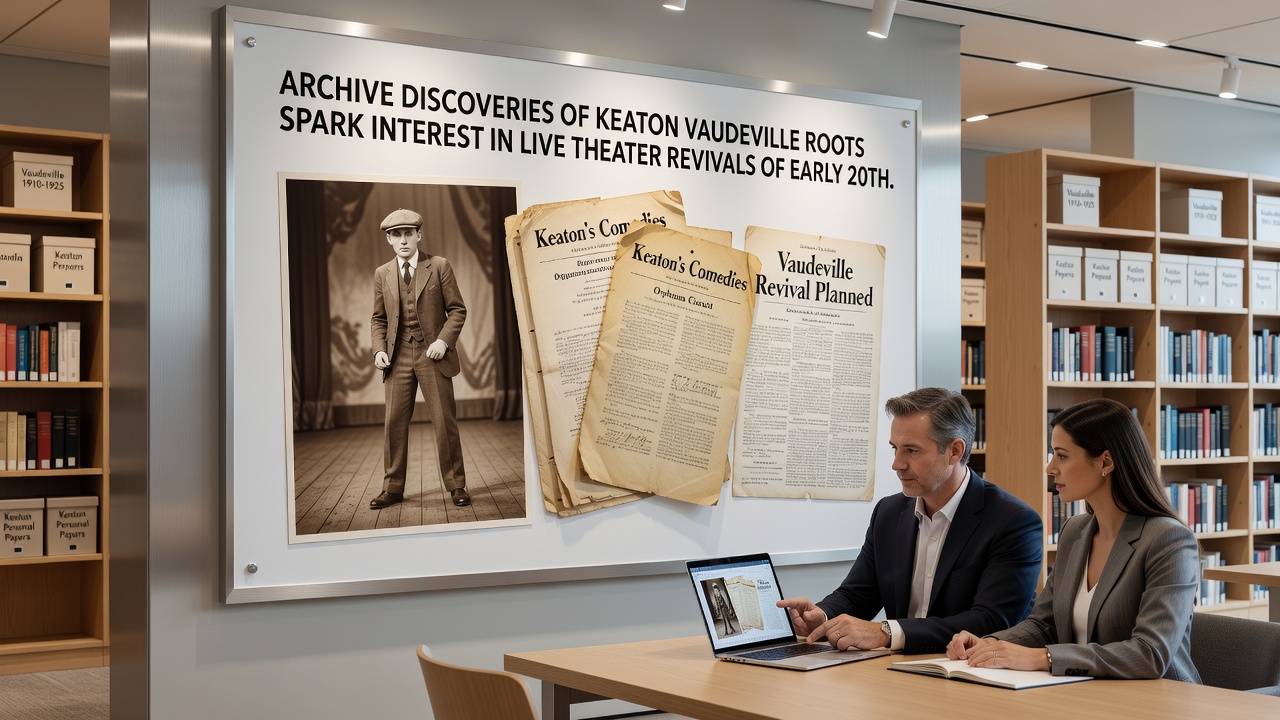
Plans for September 2026 include coordinated festival events in both the United States and Canada that will present multiple restored acts on the same bill, allowing audiences to experience the flow of a typical vaudeville program complete with song-and-dance numbers and short dramatic sketches. Organizers report that ticket presales have already exceeded projections for comparable historical programs held in prior years, according to figures released by the American Theatre Wing.
Additional documentation from European cultural heritage organizations reveals that some revival groups have consulted French and German archives to locate original music cues and lighting plots used in continental variety shows that mirrored the American vaudeville format. This wider sourcing allows productions to present complete evenings rather than isolated numbers, giving spectators a fuller sense of how early 20th century audiences encountered the material.
Impact on Training Programs and Educational Initiatives
Acting conservatories have integrated segments of the newly digitized vaudeville materials into their curricula, and students now study the archived blocking diagrams alongside contemporary physical theater techniques. Programs at several North American universities report increased enrollment in courses focused on pre-film performance styles, with instructors citing the availability of primary sources as a key factor in curriculum updates.
Workshops hosted by professional unions have also incorporated the discoveries, providing working performers with hands-on sessions that reconstruct specific Keaton-era bits while emphasizing the collaborative nature of vaudeville ensembles. Attendance records from these sessions indicate steady participation across age groups, suggesting sustained interest beyond initial academic circles.
Conclusion
The combination of archival access and scheduled 2026 events continues to expand the range of early 20th century acts available for live presentation, and ongoing cataloging efforts at multiple institutions promise further materials that could support additional productions. Observers note that the geographic spread of source collections has encouraged cross-border collaborations among theater groups, resulting in shared resources that strengthen the overall revival movement.